Shirley Station upholstery cleaning service tips
If you have ever looked at a tired sofa arm, a dusty dining chair, or a lounge seat that has started to smell a bit "lived in", you already know the problem: upholstery gets used hard, but it rarely gets the attention it deserves. These Shirley Station upholstery cleaning service tips are here to help you make better decisions, avoid common damage, and get cleaner results without guesswork.
Whether you are trying to refresh a family sofa, protect a favourite armchair, or prepare a property for guests, the right approach matters. Upholstery fabrics are not all the same, and neither are stains, fibres, or cleaning methods. In this guide, you will find practical advice on what to do before a clean, how professional upholstery cleaning usually works, what to avoid, and how to judge whether a service is worth booking. Simple enough on the surface. A bit fiddly underneath, to be fair.
For readers comparing options, it can also help to understand how upholstery care sits alongside related services such as sofa cleaning, stain removal, and broader upholstery cleaning. That context makes the whole process less mysterious and far easier to plan.
Why Shirley Station upholstery cleaning service tips Matters
Upholstery is one of those parts of the home that quietly takes a beating. Drinks spill, pets jump up, dust settles, and everyday body oils slowly darken the high-contact areas. At first it is subtle. Then one day you notice the fabric has lost its lift, or the seat cushion looks flat and patchy in daylight. That is usually the point where people start searching for upholstery cleaning help, often after trying to spot-clean things themselves.
Good tips matter because upholstery is easy to damage when cleaned the wrong way. A fabric that looks robust might still shrink, bleed colour, or develop water marks if it is over-wet. Some materials are surprisingly delicate. Others can handle more aggressive treatment than you would expect. The difference is knowing what you are working with, and being honest about what a service can and cannot safely do.
There is also a hygiene angle. Sofas, armchairs, headboards, curtains, and office seating can hold on to odours and allergens. You do not need to imagine anything dramatic here; it is usually just the everyday build-up of dust, skin cells, and trapped moisture. Still unpleasant, though. A proper clean can help the room feel brighter, fresher, and simply more looked after.
If you are in Shirley Station and trying to decide whether professional cleaning is worth it, the answer often comes down to fabric type, stain severity, and how much life you want to get out of the furniture. The best advice is usually not "clean everything" or "leave it alone", but "match the method to the item".
How Shirley Station upholstery cleaning service tips Works
In practice, upholstery cleaning starts with identification. A good cleaner will want to know the fabric type, the age of the item, any visible labels, and whether there have been prior attempts at DIY stain removal. That matters because modern upholstery can include blended fibres, stain-resistant finishes, foams that dislike excess moisture, and dyes that are not especially forgiving.
From there, a typical process looks something like this:
- Inspection - checking fabric condition, stains, wear, seams, trims, and any weak points.
- Testing - applying a small, discreet test to see how the fabric reacts to the chosen method.
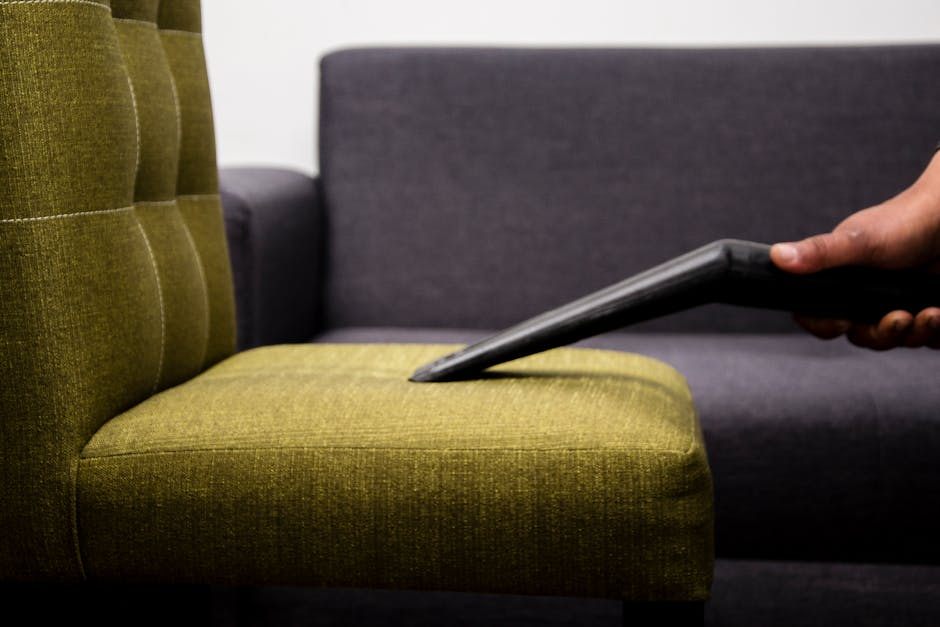
- Dry soil removal - vacuuming thoroughly to remove loose dust and grit before moisture is introduced.
- Pre-treatment - treating stains, traffic areas, and embedded marks with suitable products.
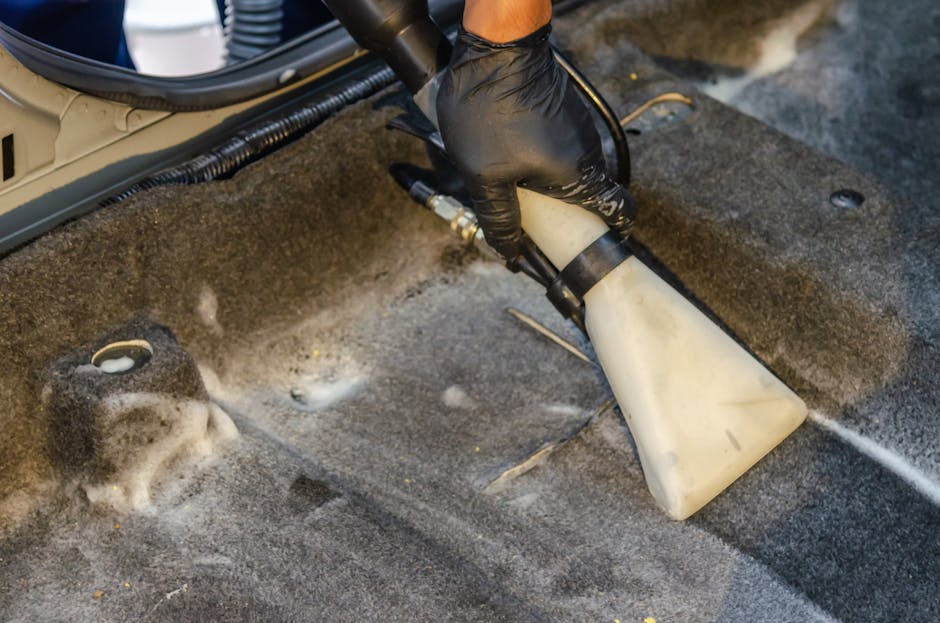
- Cleaning - using the correct method, often low-moisture or controlled hot-water extraction depending on the material.
- Post-clean detailing - brushing fibres, checking residue, and improving the finish.
- Drying guidance - advising on airflow, room temperature, and how long to avoid use.
That sounds simple enough, but the judgement is where the real value sits. For example, a light greasy mark on a sofa arm might respond well to targeted treatment, while a general greying across the seat cushions may need more comprehensive cleaning. Mixing approaches without thinking it through is where many DIY attempts go sideways.
Professional services may use steam-based methods, low-moisture techniques, or specialised stain treatments depending on the fabric. In some cases, cleaners may suggest pairing upholstery care with related services such as pet stain and odour removal if there is a lingering smell from pets rather than just a visible mark. That distinction is important. Odour and stain are not always the same issue.
Key Benefits and Practical Advantages
The obvious benefit is that cleaner upholstery looks better. Less obvious, but often more valuable, is the way a good clean changes how a room feels. Colours look stronger, fabrics feel softer, and the furniture stops drawing the eye for the wrong reasons. You notice it in passing, usually the next morning when the light comes in and the room suddenly looks more awake.
Here are the main advantages worth caring about:
- Better appearance - lifting surface dirt, dulling, and uneven patchiness.
- Improved freshness - reducing the stale, lived-in smell that fabrics can hold.
- Longer furniture life - removing grit that wears fibres down over time.
- More comfortable living spaces - especially if you spend a lot of time on sofas or in shared seating areas.
- Better presentation - useful before guests, property handovers, rentals, or office client visits.
There is a practical side too. Cleaning at the right time can help you avoid the point where stains become permanent, especially with food, drinks, and pet-related marks. A fresh spill dealt with quickly is far easier than a dried-in stain that has had days to bond with the fibres. That is not glamorous, but it is the truth.
For furniture that sees a lot of use, professional care can also support other maintenance decisions. If a sofa is heavily marked, you may want to combine cleaning with focused treatment from stain removal. If the item is part of a broader refresh, then pairing it with rug cleaning or curtain cleaning can make the room feel balanced rather than half-done.
Expert summary: The best upholstery cleaning results usually come from matching the fabric, stain type, and drying plan before any product touches the fibre. In other words, inspection first, cleaning second. Sounds obvious. Saves a lot of grief.
Who This Is For and When It Makes Sense
Not every upholstered item needs a full deep clean straight away. Some only need vacuuming and spot treatment. Others are past the point where a quick tidy-up will do anything useful. Knowing the difference helps you spend wisely and avoid unnecessary wear.
This kind of cleaning makes sense if you are:
- dealing with visible stains on sofas, chairs, stools, or headboards;
- noticing odours from pets, spills, smoke, or general use;
- preparing a home for sale, tenancy, or guests;
- refreshing seating in a waiting room, office, or shared workspace;
- looking after children's furniture that gets constant use;
- trying to preserve a good-quality piece rather than replacing it early.
It is especially sensible if you have mixed household conditions: one person loves tea in the lounge, someone else has a pet that treats the armchair as a throne, and now the fabric has a few stories to tell. That happens more often than people admit.
For commercial settings, the stakes are different. Appearance affects first impressions, but so does hygiene and scheduling. If you are managing staff areas, receptions, or waiting rooms, looking at commercial carpet cleaning alongside upholstery care can help you plan a more complete maintenance routine without constantly reacting to visible dirt.
Step-by-Step Guidance
If you want the most reliable result, follow a calm, structured process. Rushing is rarely your friend here.
1. Identify the fabric first
Check labels where available. If the care label has been removed or is unreadable, look for clues in the weave, finish, and feel of the material. Velvet, linen blends, microfibre, cotton-rich fabrics, and synthetic covers all behave differently. When in doubt, assume the fabric is more delicate than it looks. That mindset prevents a lot of mistakes.
2. Vacuum properly
Use a clean upholstery attachment and take your time around seams, piping, and cushion creases. Dry soil can act like sandpaper if it is left in place, and once water is introduced, it can turn into a muddy mess. It takes a few extra minutes. Worth it.
3. Treat stains selectively
Do not flood the whole item because one spot is bothering you. Target the affected area and test first. A food mark on an armrest may need very different treatment from a drink spill that has soaked into the cushion interior. If a stain is stubborn or old, a specialist approach is usually safer than repeated scrubbing.
4. Choose the right cleaning method
For some fabrics, low-moisture methods are safest. Others can handle controlled extraction better. If the item is sensitive, a more conservative process is often the right call, even if it feels slower. Faster is not always better. Not with upholstery, anyway.
5. Manage drying carefully
After cleaning, the room should have decent airflow. Open windows if practical, use gentle ventilation, and avoid sitting on the furniture until it is properly dry. If cushions are left damp, odours can linger and the fabric may dry unevenly. In a cool British winter, that matters more than people expect.
6. Check the finish
Once dry, look at the item in daylight if you can. Check for residue, water spotting, or any areas that need a second pass. A professional service should leave the fabric looking even, not patchy or crunchy.
Expert Tips for Better Results
Here is where small details make a big difference. Nothing flashy. Just the sort of guidance that saves money and frustration.
- Act quickly on spills. Blot, don't rub. Rubbing drives liquid deeper and can rough up the fibre surface.
- Keep a note of what caused the mark. Tea, wine, oil, ink, makeup, pet accidents - each behaves differently.
- Watch for colour transfer. Dark fabrics and printed upholstery can bleed if treated too aggressively.
- Think about the whole room. If the sofa is cleaned but the curtains and rug are dusty, the room can still feel tired.
- Schedule cleaning before the item looks desperate. Preventive care is usually easier and cheaper than rescue work.
A useful rule of thumb: if the fabric has a sheen from body oils, the dirt is no longer sitting "on" the material. It has started to become part of the look of the fabric. That is when cleaning becomes restorative rather than cosmetic.
And one more thing - if you are tempted to use a random household spray because "it should be fine", pause for a second. Maybe it will be. Maybe it will leave a ring bigger than the original stain. Upholstery is annoyingly good at making overconfidence look silly.
Where pets are involved, odour control matters as much as stain treatment. If that is part of your situation, the specialist approach described on the pet stain odour removal page is worth understanding before you book anything.
Common Mistakes to Avoid
Most upholstery damage comes from fairly ordinary mistakes, not dramatic disasters. The good news is they are easy to avoid once you know what they are.
- Using too much water - this can cause shrinkage, water marks, or damp padding underneath.
- Skipping a fabric test - always test in a hidden spot first.
- Scrubbing hard - it frays fibres and can spread the stain.
- Mixing products - different cleaners can react badly together or leave residue.
- Ignoring odour - a stain may look gone while the smell remains in the backing or foam.
- Using the furniture too soon - damp upholstery can attract fresh dirt fast.
- Assuming every service is the same - method, training, and fabric knowledge all vary.
A common real-world scenario is a sofa with a fresh spill that gets attacked with a cloth, detergent, a little more detergent, then a steam iron because someone saw a tip online. By the end, the original stain may be less visible, but the fabric can end up distorted or shiny. Not ideal. Much better to stop early and choose the right method once.
If you are comparing services, the most useful question is not "How fast can you do it?" but "How do you decide what method to use for this fabric?" That question tells you far more about competence than a polished sales line ever will.
Tools, Resources and Recommendations
You do not need a van full of gear to look after upholstery properly, but a few sensible tools help enormously.
- Upholstery vacuum attachment - for seams, edges, and cushion folds.
- Clean white cloths - useful for blotting and checking colour transfer.
- Soft brush - helps lift pile gently after cleaning on suitable fabrics.
- Fan or good airflow - speeds up drying in a practical, low-risk way.
- Fabric care label reference - when present, this is often the best clue you have.
For people who want a broader home refresh, it can make sense to line up upholstery work with related cleaning tasks rather than tackling everything piecemeal. If your seating sits under dusty windows or next to heavy curtains, a combined approach with curtain cleaning and rug cleaning can make the room feel much more consistent.
For those looking for help choosing a service, pricing, access, and service detail matter. It is worth checking a provider's pricing and quotes information before booking, and if you are the kind of person who wants to know how payment, data, and service terms are handled, their pages on payment and security and terms and conditions are the kind of thing sensible people read once, then thank themselves for later.
Law, Compliance, Standards, or Best Practice
For domestic upholstery cleaning, there is not usually a complicated legal framework for the customer to manage day-to-day. Still, good practice matters. In the UK, reputable cleaning work should be carried out with appropriate care for fabric safety, worker safety, and clear customer communication. That includes using suitable products, following sensible risk controls, and avoiding careless over-wetting or unsafe access arrangements.
If you are booking cleaning in a home with children, pets, elderly residents, or anyone with sensitivities, it is sensible to ask what products and methods are being used and how long items should be left to dry before use. That is not being fussy. That is just sensible.
For commercial jobs, expectations are a little broader. A provider should have a clear approach to site safety, insurance, and complaint handling, especially where work takes place around staff or customers. The supporting pages on insurance and safety, health and safety policy, and complaints procedure are useful indicators that the business takes these responsibilities seriously.
If sustainability matters to you, it is also reasonable to ask how waste, water use, and product selection are managed. A cleaner's recycling and sustainability approach can tell you a lot about how carefully they run the rest of the operation.
Options, Methods, or Comparison Table
Different upholstery jobs call for different methods. The right choice depends on fabric sensitivity, contamination level, drying time, and the finish you want. Here is a simple comparison.
| Method | Best for | Pros | Watch-outs |
|---|---|---|---|
| Vacuuming and spot care | Light dust, fresh spills, routine maintenance | Fast, low-risk, helpful between deep cleans | Won't remove embedded soil or deep odours |
| Low-moisture cleaning | Delicate fabrics and items needing quicker drying | Reduced drying time, less saturation | May be less effective on heavy contamination |
| Hot-water extraction | More robust upholstery and deeper soil removal | Strong cleaning power, good for restoration work | Needs careful control to avoid over-wetting |
| Specialist stain treatment | Problem marks such as wine, grease, pet accidents, ink | Targets the cause of the mark rather than the whole item | Results vary with stain age and fabric type |
If you are unsure, ask for the logic behind the method rather than just the method name. "Why this approach for this sofa?" is a far better question than "Do you do steam cleaning?" because steam, in practice, can mean different things to different providers. A slightly annoying answer, but there it is.
Case Study or Real-World Example
Consider a typical Shirley Station living room refresh. A family sofa has been in daily use for years. The seat area looks darker than the rest, one arm has a tea stain, and there is a faint dog smell that is more noticeable in the evening when the room is closed up.
The right approach is not to blast the whole sofa with detergent. First, the fabric should be identified. Then the visible stain gets targeted treatment, the seating areas are cleaned evenly, and any odour issue is assessed separately. If the fabric is synthetic and reasonably robust, a controlled extraction method might be suitable. If it is a more delicate weave, a lower-moisture approach may be safer, even if it takes a little longer to dry.
What changed in the room after cleaning? The sofa looked less flat, the tea mark no longer pulled attention, and the smell was noticeably reduced. Not magical. Just sensible, careful work. The kind that makes people say, "Oh, that's better," without even thinking about it.
In another scenario, a landlord might need a quick but careful refresh before new tenants move in. In that case, upholstery cleaning often goes hand in hand with floor care, and it can make sense to coordinate it with carpet cleaning so the whole property presents well rather than one area looking lovely and the rest looking tired. Little things, big difference.
Practical Checklist
Use this quick checklist before booking or attempting upholstery cleaning:
- Check the fabric type or care label if available.
- Note the age and condition of the item.
- Identify every stain you want treated.
- Consider whether there is an odour as well as visible dirt.
- Ask how the item will be tested before full cleaning.
- Confirm the likely drying time and room ventilation needs.
- Ask whether the method suits delicate or blended fabrics.
- Decide whether related items should be cleaned at the same time.
- Make sure pets and children can stay off the furniture while it dries.
- Review booking, payment, and service terms before confirming.
If you want to know more about the business behind the service, it is sensible to look at about us information as well. A good service page tells you what is offered; the about page often tells you how the company thinks about care, standards, and customer treatment. That matters more than many people expect.
Get a free quote today and see how much you can save.
Conclusion
Shirley Station upholstery cleaning service tips are really about making better decisions with less stress. Identify the fabric, treat the stain properly, avoid too much water, and think about drying before you think about the finish. Those basics alone prevent a lot of avoidable damage.
The bigger lesson is this: upholstery cleaning is not just about making furniture look nice for a day. Done well, it helps protect the item, improves how the room feels, and gives you a cleaner, calmer space to live or work in. And honestly, there is something satisfying about seeing a sofa come back to life after looking slightly defeated for too long.
If you take nothing else from this guide, take this: slow down at the start, and you usually get the best result at the end. Simple, but true.
Frequently Asked Questions
What are the most important Shirley Station upholstery cleaning service tips for homeowners?
The most useful tips are to identify the fabric, vacuum thoroughly, test any product in a hidden area, and avoid soaking the item. Those steps prevent the most common mistakes and give you a much better chance of a clean, even finish.
How often should upholstery be professionally cleaned?
It depends on use, pets, children, and room conditions. A busy family sofa may need attention more often than an occasional-use chair. The best guide is visible soil, smell, and how quickly the fabric starts to look dull rather than a fixed schedule.
Can I clean upholstery myself or should I book a service?
Light dusting and careful blotting can be done at home, but deeper stains, odours, or delicate fabrics are better handled professionally. If the item has sentimental or financial value, booking a service is often the safer choice.
What is the safest cleaning method for delicate upholstery?
Low-moisture methods are often safer for delicate items, but the right choice depends on the exact fabric and construction. There is no single universal method. A fabric test and proper inspection should come first every time.
Why does upholstery sometimes smell after cleaning?
That usually happens when the fabric or padding stays damp for too long, or when odour has not been treated at the source. Good airflow and the right pre-treatment help. If pets are involved, odour can sit deeper in the material than the visible stain suggests.
Will upholstery cleaning remove old stains completely?
Sometimes yes, sometimes partly, and occasionally not at all. The result depends on the stain type, how long it has been there, the fibre, and whether it has been previously treated. Older stains are always harder, so expectations should be realistic.
How long does upholstery take to dry?
Drying time varies by method, fabric, room temperature, and airflow. Low-moisture cleaning usually dries faster than wetter extraction methods. You should always ask for drying guidance and keep pets and children off the item until it is properly dry.
Is steam cleaning safe for all sofas and chairs?
No, not automatically. "Steam" is often used loosely, and not every upholstery fabric can tolerate that level of moisture or heat. The method needs to suit the material, and a careful service will explain that clearly before starting.
What should I ask before booking an upholstery cleaning service?
Ask what method will be used, how fabrics are tested, what drying time to expect, how stains and odours are handled, and whether the service is insured. Those questions give you a much better sense of professionalism than a quick price alone.
Can upholstery cleaning help with allergies?
It can help reduce the dust and debris trapped in fabric surfaces, which may improve comfort for some households. That said, it is not a medical treatment and does not remove every possible trigger. It is best viewed as part of a cleaner indoor environment.
What is the difference between sofa cleaning and upholstery cleaning?
Sofa cleaning usually refers to sofas specifically, while upholstery cleaning covers a wider range of fabric-covered furniture such as chairs, stools, headboards, and office seating. The methods overlap, but upholstery cleaning is the broader term.
How do I know if a cleaning company is trustworthy?
Look for clear information about services, pricing, safety, insurance, and complaints handling. A trustworthy provider should be straightforward about what they can achieve, careful with fabric advice, and willing to explain the process without pressure.