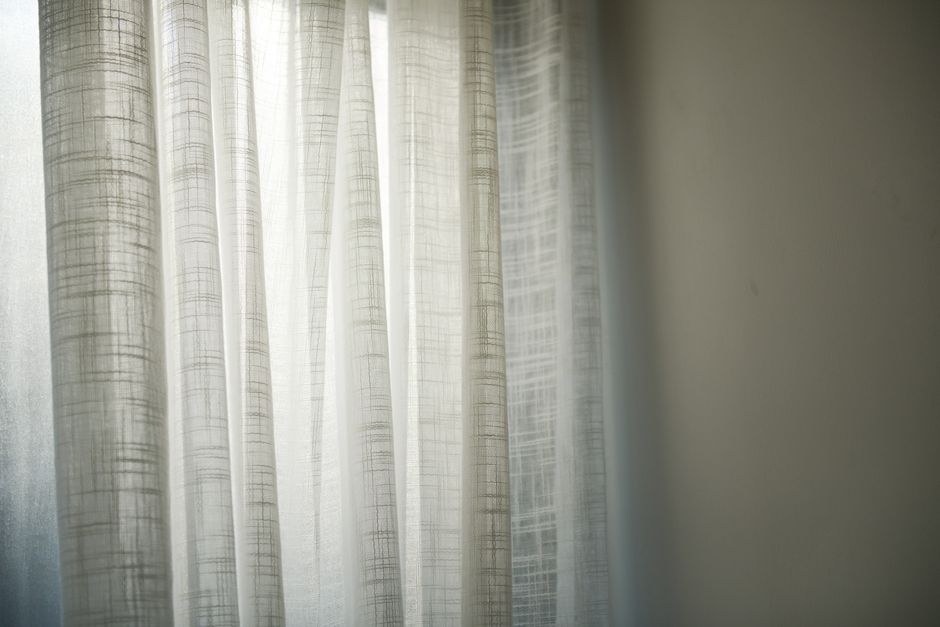
Shirley Park curtain cleaning experts: a practical guide to cleaner, fresher curtains
If your curtains are starting to look tired, trap odours, or hang onto dust like they mean it, you are not alone. Curtains get overlooked all the time, yet they quietly collect smoke, pollen, pet hair, cooking residue, and everyday grime. That is exactly where Shirley Park curtain cleaning experts come in. They help restore fabric appearance, protect delicate linings, and keep a room feeling fresher without the guesswork that comes with doing it yourself.
In this guide, we will walk through how professional curtain cleaning works, when it makes sense, what to expect, and how to avoid the sort of mistakes that can shrink fabric or leave water marks behind. It is a practical piece, not a sales pitch. Let's face it, nobody wants to take down a heavy set of curtains twice because the first clean went sideways.
Why Shirley Park curtain cleaning experts matters
Curtains do more work than people realise. They soften light, help with insulation, and shape the feel of a room. But because they are vertical and often out of the way, they can quietly build up dirt over months or years. A quick vacuum is useful, sure, but it rarely removes embedded dust, body oils, air pollution residue, or lingering smells.
Professional cleaning matters because curtains are not all made the same. Some are lined, some are interlined, some are lightweight voile, and some are heavy fabrics with delicate stitching or specialist finishes. A one-size-fits-all approach can be risky. The right cleaner looks at the fabric, colourfastness, construction, and hanging method before choosing a process. That sort of judgement is half the job.
There is also a comfort angle. When curtains are properly cleaned, rooms often feel lighter and less stale. You notice it in the morning light, in the way the fabric falls, even in the general air of the room. It sounds small. It is not really small at all.
For households with pets, children, smokers, or anyone sensitive to dust, regular curtain care can make day-to-day living easier. If you already keep up with other soft furnishings, such as sofa cleaning or upholstery cleaning, curtains should be part of the same thinking, not an afterthought.
How Shirley Park curtain cleaning experts works
Professional curtain cleaning usually starts with an inspection. The cleaner checks the fabric type, any labels or care instructions, the lining, the condition of hems and seams, and whether the curtains are safe to clean in place or need removal. That assessment matters because heat, moisture, and cleaning chemistry all behave differently on different fabrics.
From there, the method is chosen. In many cases, curtains are cleaned off-site or carefully cleaned in situ, depending on the fabric and the level of soiling. Light dusting, low-moisture extraction, and specialist stain treatment may be used. Heavier contamination may need deeper treatment, especially if there are nicotine residues, pet smells, or cooking grease near kitchen or dining areas.
A good cleaner will also consider how the curtains are going to dry. This is the bit people skip when they try to DIY it. If the drying process is too slow or uneven, you can end up with rings, distortion, or that slightly stiff, not-quite-right finish. Nobody wants curtains that look clean but hang oddly.
In more complex homes, curtain care can be coordinated with carpet cleaning or rug cleaning so the whole room feels refreshed at once. That is often more efficient than tackling one textile at a time and hoping for the best.
Typical professional process
- Initial inspection and fabric identification
- Spot testing for colourfastness
- Dry soil removal with vacuuming or soft brushing
- Targeted pre-treatment for stains or odours
- Controlled cleaning using the chosen method
- Careful drying and finishing
- Final review of drape, texture, and appearance
Key benefits and practical advantages
The obvious benefit is cleaner curtains. But the real value is broader than that. Good curtain cleaning protects the fabric, reduces wear from dust particles, and helps maintain the look of a room without replacing expensive window dressings too early.
Here are the main advantages most people notice:
- Better appearance: colours look clearer and fabrics look less flat or dull.
- Improved freshness: curtains stop holding on to stale smells from cooking, pets, or smoke.
- Longer fabric life: removing grit and dust helps reduce slow abrasion.
- More suitable care for delicate materials: specialist handling lowers the risk of shrinkage or texture damage.
- Less disruption: a skilled service can often clean with less mess than a home attempt.
There is also a practical benefit many people underestimate: cleaning curtains can improve how the rest of the room feels. If a room has clean carpets and furniture but the curtains are dusty, the whole space can still feel off. Strange, but true.
For commercial settings, such as offices, hospitality spaces, or short-let properties, clean window dressings can affect first impressions more than a new cushion ever will. If you manage premises, pairing curtain care with commercial carpet cleaning can be a tidy way to keep standards consistent across the room.
Who this is for and when it makes sense
Not everyone needs the same level of curtain care. A lightly used spare room with washable cotton curtains is a very different situation from a main living room with lined velvet drapes beside a kitchen. The best time to call in Shirley Park curtain cleaning experts is when the fabric needs more than a surface dusting, or when you are worried about cleaning it yourself.
This tends to make sense for:
- Homeowners with large, heavy, or delicate curtains
- Landlords preparing a property for new tenants
- Families with pets, children, or allergy concerns
- People noticing lingering odours in a room
- Anyone with curtains that cannot simply go in a washing machine
- Businesses that want a polished, cared-for look
It also makes sense before or after a bigger refresh. If you are updating a living room, bedroom, or reception area, curtains are often the final thing that either lifts the result or quietly lets it down. Same room, same paint, same furniture - but dusty drapes can still drag the whole feel down.
One simple test: if you can run a finger along the lower fold and pick up dust, or if the room smells slightly stale even after airing, it is probably time to look at professional cleaning.
Step-by-step guidance
If you want the process to go smoothly, it helps to know what usually happens. Here is a straightforward way to think about it, whether you are booking a service or preparing your curtains for cleaning.
1. Check the curtain type
Look for labels, fabric notes, or any previous care instructions. Some curtains are washable, some are dry-clean only, and some need specialist low-moisture cleaning. If the label is missing, that is common enough. A good cleaner can still assess the fabric, but the job starts with caution.
2. Identify the problem
Is the issue dust, staining, odour, fading, or general dullness? The answer changes the approach. A curtain with a tea splash near the bottom hem needs different treatment from curtains that simply feel grey with age.
3. Prepare the area
Move fragile items away from the window area and make space if the curtains need to be taken down. If cleaning in situ, clear access around the window and make sure radiators, blinds, or furniture do not get in the way.
4. Ask about the cleaning method
This is the point where many people just nod and hope for the best. Better to ask. Will it be low-moisture? Steam-based? Off-site cleaning? Spot treatment first? A good provider will explain the method in plain English.
5. Confirm drying expectations
Drying time matters. Ask how long the curtains are likely to stay damp, whether windows should remain open, and whether the drape may need reshaping while drying. These small details make a real difference.
6. Inspect the finish
Once complete, check the hems, folds, lining, and overall hang. If the fabric feels too damp or looks uneven, raise it quickly. Professional services should want that feedback. Good communication, simple as that.
Expert tips for better results
Here are the habits that tend to separate a decent outcome from a really tidy one.
- Vacuum regularly using a soft brush attachment. Light maintenance reduces the amount of deep soil that builds up.
- Deal with spots early. The longer a spill sits, the harder it is to remove cleanly.
- Keep curtains out of prolonged direct moisture. Kitchens and bathrooms can be tricky, so ventilation helps.
- Clean the surrounding surfaces too. If the window sill, skirting, or nearby radiator is dusty, the curtains will pick it up again.
- Match the method to the fabric. Velvet, silk blends, blackout linings, and synthetics all behave differently.
- Ask about odour treatment if needed. Smell can linger in linings and pleats long after the visible dirt is gone.
A small but useful tip: if you are also tackling other soft furnishings at the same time, you often get a better overall result. A room with freshly cleaned curtains and a cleaned sofa feels newly aired, even if you have not changed much else. Bit of a transformation, really.
If you are comparing services, it can help to review the provider's about us information, along with their insurance and safety approach. That is not overcautious. It is just sensible.
Common mistakes to avoid
Most curtain damage happens because someone assumed the fabric was tougher than it really is. That is the honest truth.
- Ignoring the care label. Or assuming there will be no consequences. There usually are.
- Using too much water. Heavy saturation can cause shrinkage, spotting, or lining issues.
- Rubbing stains aggressively. This can push the stain deeper or damage the weave.
- Forgetting the lining. The face fabric may look fine, but the lining can hold dust and odour.
- Not testing a small area first. Especially important for dyed or delicate materials.
- Rehanging before fully dry. That is how shape distortion sneaks in.
A slightly funny but very real mistake is trying to "freshen up" curtains with random sprays and hoping they magically smell cleaner. They usually just smell like cleaner and old dust, which is not an upgrade.
Another common one is assuming all curtain cleaners use the same process. They do not. Method choice matters more than most people expect, especially with bespoke fabric, interlining, or decorative trims.
Tools, resources and recommendations
You do not need a van full of equipment to keep curtains in decent shape, but the right tools do help. For regular upkeep at home, the basics are simple.
Helpful home-care tools
- Vacuum with a soft brush or upholstery attachment
- Microfibre cloth for nearby surfaces
- Lint roller for pet hair on accessible sections
- Handheld steamer used carefully and only if suitable for the fabric
- Good ventilation, especially after cooking or on damp days
For deeper care, professional resources matter more than gadgets. That includes fabric knowledge, stain treatment experience, and the ability to judge when a curtain should not be pushed too hard. If you are unsure whether your curtains need cleaning, repair, or cautious spot treatment, a proper inspection is usually the most useful first step.
There is also a broader household care view here. Curtains often sit alongside rugs, sofas, mattresses, and carpets as part of one interior environment. If odours or dust are a pattern rather than a one-off, it may be worth looking beyond a single item and considering pet stain and odour removal, mattress cleaning, or stain removal where relevant.
Law, compliance, standards and best practice
For most readers, curtain cleaning is mainly a care and maintenance issue rather than a legal one. Still, a reputable provider should work with proper safety and handling practices, especially where cleaning chemicals, ladders, fragile furnishings, or customer property are involved.
In UK homes and businesses, the sensible expectations are straightforward: use suitable products, avoid unnecessary damage, protect staff and property, and be clear about what the service does and does not include. If a business is working in occupied premises, it should also be careful about access, drying conditions, and any disruption to the room.
For commercial clients, good practice usually means:
- Clear communication about the cleaning method
- Safe working around furniture and fixtures
- Appropriate identification of fragile or specialist fabrics
- Attention to odour control and indoor environment
- Transparent terms before work begins
It is also reasonable to look at practical company policies. For example, a provider's health and safety policy, payment and security information, and terms and conditions can tell you a lot about how professionally the business is run. Not glamorous reading, admittedly, but useful.
Options, methods, and comparison table
Different curtain cleaning methods suit different situations. Choosing well avoids unnecessary risk and usually gives a better finish. Here is a simple comparison to help you think it through.
| Method | Best for | Advantages | Things to watch |
|---|---|---|---|
| Vacuum maintenance | Light dust and weekly upkeep | Quick, low risk, useful between professional cleans | Will not remove deep grime or odours |
| In-situ low-moisture cleaning | Hung curtains that are suitable for controlled cleaning | Less disruption, practical for larger window dressings | Needs careful technique and drying management |
| Off-site specialist cleaning | Delicate, heavily soiled, or complex curtains | More controlled treatment and finishing | Requires removal and rehang planning |
| Steam-based treatment | Selected fabrics and light refresh work | Can lift surface soil and improve freshness | Not suitable for every material |
If your curtains are part of a full-room refresh, you may also want to coordinate with steam carpet cleaning or curtain cleaning as a focused service, depending on what needs doing most urgently. The right order can make a difference too. Often, the dusty items go first.
Case study or real-world example
Here is a realistic example from the kind of situation people often face. A family in a south London home had thick lined curtains in the lounge. They looked fine from across the room, but close up the lower folds were dusty, there was a faint cooking smell, and one side had picked up a small mark near the skirting board. Nothing dramatic. Just one of those rooms that had gradually lost its freshness.
Rather than washing the curtains at home and risking shrinkage, they arranged a specialist clean. The cleaner inspected the fabric, identified the lining, tested the soiled area first, and chose a controlled low-moisture process. The curtains were left to dry properly, then rehung and reshaped. The result was not a "brand new house" miracle, because that would be silly, but the room did look brighter and felt noticeably cleaner.
That is the real win with curtain care. Not transformation theatre. Just a better room, one that feels looked after.
Practical checklist
Before you book or begin, run through this checklist. It keeps things simple and saves hassle later.
- Check the curtain fabric, lining, and care label if available
- Identify whether the issue is dust, odour, staining, or dullness
- Decide whether cleaning in place or off-site makes more sense
- Ask how the fabric will be tested before treatment
- Confirm whether stain or odour treatment is included
- Plan for drying time and access around the window
- Make sure surrounding furniture is protected or moved if needed
- Review company policies if you want extra reassurance
- Combine with other fabric care if the whole room needs attention
- Inspect the finish before the job is considered complete
Expert summary: the best curtain cleaning outcome usually comes from matching the method to the fabric, treating stains gently, and allowing enough drying time. That combination sounds basic, but it is exactly what prevents most of the avoidable problems.
Conclusion
Shirley Park curtain cleaning experts help solve a very common problem in a very practical way: curtains look tired, hold smells, and collect hidden dust long before most people think to clean them. With the right approach, you can refresh the room, protect the fabric, and avoid the costly mistakes that come from guessing.
If you take one thing away, make it this: curtain cleaning is not just about appearance. It is about preserving the fabric, improving the feel of the room, and making your home or business feel properly cared for. And honestly, once you have seen the difference, it is hard to go back to ignoring them.
If you are comparing service options or planning a wider refresh, it can also be helpful to review the company's pricing and quotes, along with its recycling and sustainability approach if that matters to you. Little details, but they add up.
Get a free quote today and see how much you can save.
Frequently Asked Questions
How often should curtains be professionally cleaned?
It depends on fabric, location, and usage. In a busy room, curtains may need attention more often than in a spare room. Homes with pets, smoke, or heavy cooking usually build up dirt faster, so a regular check is sensible.
Can all curtains be cleaned the same way?
No. Fabric type, lining, stitching, and colourfastness all affect the cleaning method. A lightweight synthetic curtain is treated differently from velvet, silk blends, or blackout-lined drapes.
Is professional curtain cleaning better than washing them at home?
For many curtains, yes. Home washing can work for some washable fabrics, but heavy or delicate curtains are more likely to shrink, crease badly, or lose their shape if handled without care.
Will curtain cleaning remove odours?
Often it helps a lot, especially when the smell is from dust, smoke, pets, or cooking residue. Strong or long-standing odours may need targeted treatment rather than a basic clean.
Can curtain cleaning remove stains?
Sometimes, yes. Fresh stains are easier than old ones. The outcome depends on the stain type, how long it has been there, and whether the fabric can tolerate treatment. Some marks improve but do not disappear completely.
Do curtains need to be taken down for cleaning?
Not always. Some curtains can be cleaned in situ, while others are better removed for more controlled treatment. The right choice depends on the material, size, and condition of the curtains.
How long does curtain cleaning take?
That varies depending on the number of curtains, the method used, and drying time. Simple jobs may be relatively quick, while specialist or heavily soiled curtains need more time. Drying is often the longest part.
Will cleaning damage delicate fabrics?
It should not, if the fabric is properly identified and the right method is used. That is why testing, gentle treatment, and experienced handling matter so much. Delicate fabrics should never be rushed.
Should I clean my curtains if I am redecorating?
Yes, often it makes sense. Fresh paint or new furniture can look underwhelming next to dusty or faded curtains. A clean set of curtains helps the whole room feel finished.
What should I ask before booking a curtain cleaning service?
Ask what method will be used, whether the fabric will be tested first, how long drying takes, whether stain or odour work is included, and what happens if the fabric needs specialist handling. Clear answers are a good sign.
Are curtain cleaning and upholstery cleaning worth doing together?
Yes, if both need attention. Curtains, sofas, rugs, and carpets affect the same indoor environment, so cleaning them together can create a more noticeable result and save time overall.
Where can I learn more about the company behind the service?
It is usually worth reading the company's about us page and related policy pages, such as health and safety policy and complaints procedure, so you know how they work and what to expect.