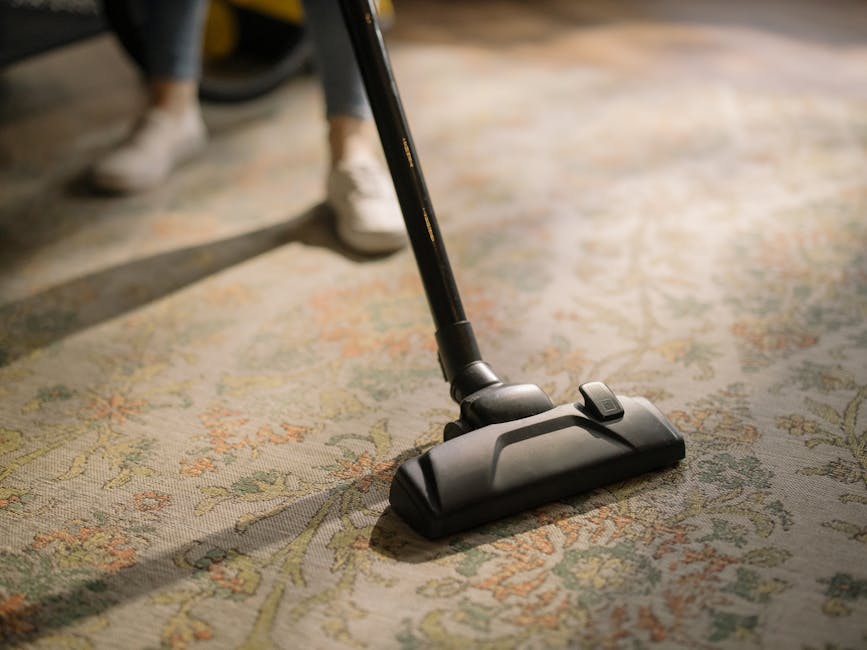
Shirley High Street Carpet Cleaning Guide
If you live, work, or run a business around Shirley High Street, carpet cleaning is one of those jobs that sounds simple until you actually start. Spills happen. Foot traffic builds up. A carpet that looked fine last month can start feeling dull, sticky, or a bit tired underfoot. This Shirley High Street carpet cleaning guide walks you through what matters, how the process works, what to avoid, and how to choose the right approach for your home or premises.
Whether you are dealing with muddy shoes after a wet morning, pet odours that will not quite shift, or just the slow wear that comes from everyday life, the goal is the same: get carpets looking better, drying properly, and lasting longer. Let's face it, nobody enjoys staring at a stain that keeps waving back at them.
This guide is written for practical decision-making. You will find clear steps, realistic expectations, comparison points, and a few local-minded considerations that matter when cleaning carpets in a busy street setting. If you need a fuller look at general service details, you can also review the carpet cleaning service and related options such as steam carpet cleaning or stain removal.
Contents
- Why Shirley High Street carpet cleaning guide Matters
- How Shirley High Street carpet cleaning guide Works
- Key Benefits and Practical Advantages
- Who This Is For and When It Makes Sense
- Step-by-Step Guidance
- Expert Tips for Better Results
- Common Mistakes to Avoid
- Tools, Resources and Recommendations
- Law, Compliance, Standards, or Best Practice
- Options, Methods, or Comparison Table
- Case Study or Real-World Example
- Practical Checklist
- Conclusion
- Frequently Asked Questions
Why Shirley High Street carpet cleaning guide Matters
Shirley High Street has the kind of everyday activity that carpets do not always forgive. People come and go, doors open and close, shoes carry in grit, rainwater, dust, and the occasional mystery mark that appears overnight. In a home, this means the living room, hallway, and stairs usually show wear first. In a business, it is often entrances, reception areas, corridors, and meeting spaces.
A proper carpet cleaning routine matters because carpets do more than sit there looking decorative. They trap soil, soften footsteps, reduce noise, and influence the feel of a room the moment someone walks in. When they are clean, the whole place feels lighter. When they are not, the room can feel older than it is, even if everything else is spotless. Strange how that works, but it really does.
There is also a maintenance angle. Dirt particles work like sandpaper when left in fibres. Over time they can flatten pile, make colours look tired, and shorten a carpet's useful life. Regular cleaning is not just about appearance; it is about protecting the material and making everyday upkeep easier.
Expert takeaway: The best carpet cleaning approach is not the most aggressive one. It is the method that removes soil effectively, protects the fibre type, and dries in a sensible time for the room's use.
How Shirley High Street carpet cleaning guide Works
At a practical level, carpet cleaning usually follows a sequence: inspect, identify the fibre and stain type, pre-treat, clean, extract, and dry. The exact products and machines vary, but the logic stays much the same.
First comes inspection. A good cleaner looks at the carpet's fibre, age, construction, backing, and level of wear. Wool, synthetic blends, and delicate rugs all behave differently. That matters more than people think. The wrong temperature, too much moisture, or the wrong chemistry can leave residue or, in a worst-case scenario, damage the pile.
Then comes pre-treatment. This is where soil or stain-specific solutions are used to loosen grime before the main clean. For example, a food spill may need one approach, while a pet accident needs a different one. If the issue is a deeper mark, a dedicated pet stain and odour removal treatment can be more appropriate than a general pass.
The main clean may involve hot water extraction, low-moisture methods, or specialist steam-based processes depending on the carpet and the site conditions. Hot water extraction is common because it flushes loosened dirt from the fibres and helps with a more thorough finish. It is not magic, though. Good results still depend on correct chemistry, agitation, rinsing, and extraction.
Finally, the carpet is dried and checked. Airflow, room temperature, and the amount of water used all affect drying time. A neat clean that stays damp too long is not ideal. In a street-facing property with a lot of daily use, that can be inconvenient very quickly.
Key Benefits and Practical Advantages
There are some obvious benefits to clean carpets, and a few that are easy to overlook until you have lived with the result for a day or two.
- Improved appearance: colours look fresher, patterns become clearer, and the whole room feels better kept.
- Better indoor comfort: carpets can feel softer and less gritty underfoot after proper cleaning.
- Odour reduction: trapped smells from food, pets, moisture, or general use are often reduced significantly.
- Longer carpet life: removing embedded dirt helps reduce wear on the fibres.
- Better first impressions: useful for homes with visitors and especially important for customer-facing businesses.
- More effective routine cleaning: vacuuming tends to work better on a well-cleaned carpet than on one holding years of compacted soil.
There is a practical comfort benefit too. A clean hallway after a damp afternoon, with no stale smell and no dark track marks near the door, just feels better. Simple as that.
For households, carpet cleaning can also support other room care tasks. If the room includes a sofa, rug, or curtains, it often makes sense to coordinate the work with sofa cleaning, rug cleaning, or curtain cleaning so the whole space feels consistent rather than half-refreshed.
Who This Is For and When It Makes Sense
This guide is useful if you are a homeowner, landlord, tenant, small business owner, facilities manager, or anyone trying to keep a property on Shirley High Street presentable without overcomplicating things.
You will especially benefit if you are noticing any of the following:
- traffic lanes in hallways or shop entrances
- old spill marks that have survived vacuuming
- pet smells, damp smells, or a general stale note in the room
- flattened pile that no longer springs back properly
- allergies or sensitivity to dust build-up, where a cleaner carpet can help the room feel fresher
- pre-sale, pre-tenancy, or pre-inspection preparation
It also makes sense if you run a workplace where presentation matters. Reception carpets get judged in seconds. People may not consciously say, "the pile in this corner looks worn," but they absolutely notice if the space feels dingy or neglected. Human beings are funny like that.
Commercial settings may also need more structured maintenance. If you are dealing with offices, shared spaces, or customer areas, have a look at commercial carpet cleaning for a more business-focused approach.
Step-by-Step Guidance
If you want a sensible way to approach carpet cleaning on Shirley High Street, start here. No drama, no gimmicks. Just a method that works.
- Identify the problem. Is it general dullness, a specific stain, a smell, flattening, or all three? Each one points to a slightly different approach.
- Vacuum thoroughly. Remove loose soil first. If you skip this step, the cleaner has to fight through debris that should already be gone.
- Spot test any product. Try it in a hidden corner first. Not glamorous, but it saves headaches.
- Pre-treat targeted areas. Apply the right solution to the specific issue and allow it to dwell for the recommended time.
- Agitate carefully. Light brushing or controlled machine agitation helps loosen soil, but too much can distort fibres.
- Clean with the right method. Choose hot water extraction, steam carpet cleaning, or another suitable process depending on the carpet type and drying conditions.
- Extract moisture properly. This step matters a lot. Leftover moisture can slow drying and leave the room feeling off.
- Dry with airflow. Open windows if appropriate, use fans where possible, and avoid heavy foot traffic until the carpet is dry enough.
- Inspect again. Check edges, corners, and any stubborn marks. Sometimes the second look catches what the first missed.
A small but useful tip: clean from the least dirty area toward the worst area when doing light spot cleaning. Otherwise, you can drag fresh dirt across the room. It happens more often than people admit.
Expert Tips for Better Results
In our experience, the biggest difference between a decent carpet clean and a genuinely good one is rarely the machine alone. It is the prep, the chemistry, and the drying discipline. That's the boring truth, but it is the truth.
- Do not flood the carpet. More water does not automatically mean a better clean. It often means slower drying and more risk of residue.
- Match the product to the stain. Grease, protein, tannin, and pet-related marks all behave differently. One-size-fits-all solutions can disappoint.
- Work edges carefully. Perimeters and skirting-line areas collect dirt but are easy to overlook.
- Watch for wicking. Some stains reappear after drying because soil from deeper in the pile rises back up. A proper rinse and controlled extraction reduce this risk.
- Keep airflow moving. A room that "looks" dry can still hold moisture lower down.
- Consider the fibre. Wool needs a gentler touch than many synthetics, and delicate carpets should not be treated like a hard-wearing office runner.
There is also a judgment call about when to stop. Overworking a stain can spread it or rough up the fibres. Sometimes the best result comes from a calm, measured pass rather than endless scrubbing. A bit frustrating, yes, but better than turning a small issue into a larger one.
Common Mistakes to Avoid
Most carpet cleaning problems are avoidable. They usually come from rushing, using the wrong product, or assuming all carpets behave the same way.
- Scrubbing too hard: this can distort the pile and push the stain deeper.
- Using random household products: some leave residues or set the stain instead of removing it.
- Skipping vacuuming: dry soil needs removing before wet cleaning starts.
- Over-wetting: too much moisture can cause slow drying and lingering smells.
- Ignoring fibre type: not every carpet responds well to the same temperature or chemical balance.
- Not testing first: colour loss or texture damage is avoidable with a simple spot test.
- Walking on it too soon: a damp carpet collects fresh dirt very quickly.
One surprisingly common mistake is treating every mark as if it is ordinary dirt. A beverage spill, a pet accident, and a greasy footprint are different beasts. If the stain is stubborn or has a smell attached to it, a more focused treatment is often the smarter route.
Tools, Resources and Recommendations
You do not need a warehouse full of equipment to make a carpet look better, but having the right tools makes a real difference. A few practical items are enough for most homes and many small premises.
- Quality vacuum cleaner: essential for removing dry soil before any wet treatment.
- Microfibre cloths: useful for blotting spills and reducing spread.
- Soft brush or grooming tool: helps lift the pile after cleaning.
- Appropriate spot cleaner: choose one that suits the fibre and stain type.
- Fans or airflow support: helpful for drying rooms more quickly.
- Protective gloves: sensible when using cleaning agents for longer periods.
For soft furnishings in the same room, it is often worth thinking beyond the carpet alone. A carpet may look cleaner, but a tired sofa or grubby rug can drag the room down again. That is where upholstery cleaning and mattress cleaning become relevant, especially if you are trying to refresh the whole property rather than one surface.
If you are comparing service options, the most useful questions are usually quite plain: How well will it suit my fibre type? How long will drying take? What happens with stains? And what is included in the price? The pricing and quotes page is a sensible place to start if you want to understand how a service is typically scoped before booking.
Law, Compliance, Standards, or Best Practice
For carpet cleaning in the UK, the most important compliance concerns are usually practical rather than dramatic: safe product handling, insurance, clear service terms, and sensible site procedures. If the work is taking place in a business, shared building, or any location with regular public access, risk awareness matters. Wet floors, cables, cleaning equipment, and drying zones all need thought.
Good practice also includes clear communication about what the cleaner can and cannot promise. No honest provider should guarantee miracle results on every stain. Some marks are permanent, some fibres are sensitive, and some older carpets have wear that no amount of cleaning can reverse. That is not failure. It is reality.
From a trust perspective, a service should also handle customer information, payments, and complaints in a transparent way. If you want to understand the company's published approach to these matters, relevant pages include about us, insurance and safety, health and safety policy, payment and security, and terms and conditions.
For environmentally minded customers, it is also fair to ask how wastewater, products, and packaging are handled. Responsible cleaning should not create unnecessary waste, and if sustainability matters to you, the recycling and sustainability information can be helpful.
Options, Methods, or Comparison Table
Different carpets and situations call for different methods. Here is a simple comparison to help you judge what makes sense.
| Method | Best for | Strengths | Watch-outs |
|---|---|---|---|
| Hot water extraction | General deep cleaning, traffic areas, most synthetic carpets | Thorough soil removal, strong refresh, good for embedded dirt | Drying time needs planning |
| Steam carpet cleaning | Deep cleaning where a more intensive refresh is needed | Can deal well with stubborn grime when used correctly | Not ideal for every fibre or every setting |
| Low-moisture cleaning | Busy premises, lighter maintenance cleans | Quicker drying, less disruption | May be less aggressive on heavily soiled carpets |
| Targeted stain treatment | Single marks, pet issues, localised accidents | Focused, efficient, often cost-effective | Not a full-room solution |
If you are only dealing with a small isolated mark, a targeted stain service may be enough. If the carpet looks tired across the whole room, a broader clean usually gives better value. That sounds obvious, but people sometimes spend more than they need to because they choose the wrong tool for the job.
Case Study or Real-World Example
A fairly typical Shirley High Street scenario goes like this. A small business has a carpeted waiting area near the entrance. Over time, the edge by the door has gone dark, mostly from shoes, rain, and the daily shuffle of people coming in and out. Nothing dramatic. Just steady wear. The rest of the carpet is okay, but the first impression is no longer doing the room any favours.
In that kind of case, a sensible clean would start with a strong vacuum, a closer look at the fibre, and pre-treatment on the traffic lane and any visible spots. If there is a musty smell after wet weather, the cleaner would pay extra attention to extraction and drying. A nearby rug or fabric chair might be included too, because the room only feels really finished when the soft furnishings match the floor.
What tends to happen after a proper clean is not just that the carpet looks brighter. The whole room reads better. The space feels more cared for. People step in and do not notice the carpet, which is exactly the point. You want them noticing the place, not the floor problem.
That is the sort of practical win a good cleaning plan should deliver. Not perfection. Just a noticeable improvement that makes day-to-day life easier.
Practical Checklist
Use this before you clean, book, or compare service options:
- Identify the carpet type if you can.
- Vacuum thoroughly before any wet cleaning.
- Spot test products in a hidden area.
- Work out whether you need a general clean or stain-specific treatment.
- Check drying time against room use.
- Move small items and fragile objects out of the way first.
- Ask about insurance, safety, and aftercare.
- Consider related items like rugs, sofas, or curtains in the same room.
- Plan around access needs and busy periods.
- Keep children and pets away until the carpet is properly dry.
Quick practical summary: Clean carpets start with good prep, the right method, and disciplined drying. If one of those three is missing, results usually slide a bit. Not always badly, but enough to notice.
If you want to speak with the team, use the site's contact page for next steps or to ask about a specific carpet issue.
Get a free quote today and see how much you can save.
Conclusion
A Shirley High Street carpet cleaning guide should do more than tell you that carpets get dirty. It should help you decide what to do about it, when to act, and how to avoid the common traps that waste time or money. The best results usually come from a simple chain of good decisions: identify the fibre, treat the right problem, clean with care, and let the carpet dry properly.
If you are managing a home, a rental, or a customer-facing space, that approach keeps things calm and practical. And honestly, that is what most people want. Fresh carpets, less hassle, no awkward damp smell lingering into the evening.
Choose the method that fits the room, not just the stain. That one small decision can make all the difference.
Frequently Asked Questions
What is the best carpet cleaning method for Shirley High Street properties?
It depends on the carpet fibre, how dirty the room is, and how quickly you need it dry. Hot water extraction is a strong all-round option for many carpets, while low-moisture methods can suit busier premises where turnaround matters.
How often should carpets be cleaned?
There is no single rule that fits every property. Busy hallways, family homes with pets, and commercial spaces usually need cleaning more often than a low-traffic room. The real clue is appearance, smell, and how the carpet feels underfoot.
Can carpet cleaning remove pet smells?
Often, yes, but it depends on how deep the contamination has gone. Surface odours may come out with a standard clean, while older or more stubborn issues usually need a targeted treatment such as pet stain and odour removal.
Will cleaning make my carpet dry quickly?
Drying time depends on the cleaning method, airflow, room temperature, humidity, and how much solution was used. Good extraction and proper ventilation make a big difference. Over-wetting slows everything down, annoyingly enough.
Is steam carpet cleaning safe for all carpets?
No, not always. Some fibres and constructions need a gentler approach. A good cleaner should inspect the carpet first and choose a method that suits the material rather than forcing one method onto everything.
What should I do before a cleaner arrives?
Move small items, vacuum if you can, point out stains or damage, and make sure the cleaner has access to the areas being treated. It also helps to keep pets and children out of the way during the work.
How do I know if a stain can still be removed?
Fresh stains are usually easier than old ones, but age is not the only factor. The type of spill, the fibre, previous attempts, and whether the stain has been heat-set all matter. Some marks improve a lot; others may lighten but not fully disappear.
Are commercial carpets different from domestic carpets?
Yes, in practice they often are. Commercial areas usually have heavier traffic, tighter scheduling, and more expectations around presentation and drying time. That is why commercial carpet cleaning is often planned a little differently from household work.
Do carpets need special care after cleaning?
Usually, yes. Avoid walking on them too early, keep airflow moving, and do not drag furniture back until the carpet is dry enough. A little patience at this stage helps protect the finish.
How do I compare quotes for carpet cleaning?
Look beyond the headline price. Check what areas are included, what stain treatment is covered, expected drying guidance, and whether the provider explains their process clearly. A quote that looks cheap but excludes half the work is not really cheap.
Can carpet cleaning help a room feel fresher even if it looks okay?
Definitely. Some carpets look fine at a glance but hold dust, odours, and flattened soil that affect the feel of the whole room. A proper clean can make the space feel noticeably lighter and more comfortable.
What if I also need rugs, sofas, or curtains cleaned?
That is very common. Many rooms feel best when the soft furnishings are cleaned together, especially if a carpet is being refreshed for guests, a tenancy change, or a business presentation. It creates a more balanced result.